
Lastmile logistics
Your Ultimate Guide to Casino Games Rules Strategies and Winning Tips
Casino games offer a blend of chance, strategy, and entertainment, ranging from classic table games like blackjack and roulette to modern video slots and poker. Understanding the rules and odds can enhance your experience and help you make more informed decisions. Whether you play for fun or competition, these games provide thrilling opportunities to test your luck and skill.
Decoding the House Edge in Popular Table Games
Understanding the house edge in casino table games is the key to unlocking strategic play, transforming random luck into calculated risk. In classics like blackjack, this mathematical advantage hovers around 0.5% for basic strategy players, while roulette’s double-zero wheel spikes it to 5.26%. Craps offers a dynamic battlefield where the pass line bet carries a mere 1.41% edge, but exotic prop bets can soar past 16%. Even baccarat, often seen as pure chance, presents a razor-thin 1.06% edge on banker bets. The vigorish isn’t a static predator; it shifts based on your decisions. By mastering these percentages, you shift from a passive spectator to an informed competitor, navigating the casino’s inbuilt profit mechanism with precision and nerve.
Why Blackjack Strategy Shifts the Odds in Your Favor
House edge is the mathematical advantage casinos hold over players, ensuring long-term profitability. In blackjack, optimal strategy reduces it to under 0.5%, while roulette’s American double-zero wheel carries a steep 5.26% edge. Craps offers low-risk bets like the Pass Line (1.41%), but “sucker bets” like Any Seven soar to 16.67%. Baccarat’s Banker bet, at 1.06% edge, remains the safest. Knowing these percentages empowers you to avoid games with punishing odds.
- Blackjack: 0.5% (optimal play)
- Roulette (American): 5.26%
- Craps (Pass Line): 1.41%
- Baccarat (Banker): 1.06%
Q: Can you beat the house edge?
A: No. The edge is fixed per game; short-term luck only masks the mathematical certainty of loss over time.
Roulette’s Red-and-Black Mechanics: A Probability Breakdown
The house edge represents the mathematical advantage casinos hold over players in popular table games, ensuring long-term profitability. In blackjack, optimal strategy reduces this edge below 1%, making it one of the most skill-influenced options. Conversely, American roulette carries a steep 5.26% house edge due to the double zero, eroding player bankrolls faster. Craps offers favorable bets like the Pass Line (1.41% edge), while slot machines often exceed 10% house advantage. Understanding these percentages is critical—mastering blackjack basic strategy lowers the house edge significantly, turning luck into an informed battle. Avoid sucker bets; always choose tables with player-friendly rules to minimize the casino’s built-in advantage.
- Blackjack: 0.5–2% house edge with perfect play.
- Baccarat (Banker bet): 1.06% edge.
- Roulette (European): 2.7% edge vs. American 5.26%.
Q&A: Can the house edge be beaten? Yes—through card counting in blackjack or exploiting promotions, but casinos counter with surveillance and rule changes. The house always has the long-term edge, but short-term variance favors disciplined players.
How Baccarat’s Low House Edge Attracts High Rollers
The house edge isn’t a secret trap but a mathematical certainty baked into every table game. In roulette, the single zero (European) offers a 2.7% edge compared to double zero’s 5.26%, dramatically shifting odds. Blackjack players can slash the standard 2% edge by mastering basic strategy. Craps features a deceptively friendly 1.36% edge on the Pass Line bet. Understanding house edge variations maximizes your winning potential. Every spin or deal is a pre-calculated probability; the true skill lies not in beating the casino, but in choosing the battle with the lowest tax on your bankroll.
Craps: Navigating the Best and Worst Bets on the Layout
The house edge represents the mathematical advantage casinos hold over players in games like blackjack, roulette, and craps. In American roulette, the double zero creates a 5.26% edge, while European single-zero roulette reduces it to 2.70%. Blackjack’s house edge varies from 0.5% to 2%, depending on table rules and player skill. Craps offers some of the lowest edges, such as 1.41% on pass line bets, but proposition bets can exceed 16%. Understanding these percentages helps players make informed wagering decisions. Baccarat provides a 1.06% edge on banker bets, while pai gow poker sits near 2.84%. Casino game odds directly influence long-term bankroll sustainability.
The Evolution of Slot Machines: From Mechanical to Digital
The story of slot machines is a wild ride from clunky gears to sleek screens. It all started in the late 1800s with the Liberty Bell, a purely mechanical device with spinning reels and a single payline powered by a lever. For decades, these machines relied on springs and cogs, offering limited game play. The real revolution came with the introduction of video slots in the 1970s and later the internet age, which birthed modern online casinos. Today, digital slots use random number generators to create thousands of potential outcomes every second, with interactive bonus rounds and stunning graphics. Some players still miss the satisfying clunk of a physical handle pulling back. This shift to digital has completely transformed how we play, making online slot games more accessible than ever, though the thrill of a big win remains timeless.
Understanding Random Number Generators in Modern Reels
The journey of slot machines from clunky mechanical devices to sleek digital marvels is a fascinating tale of innovation. Early machines like the Liberty Bell used physical reels and springs to determine wins, offering limited payouts. Today, online slot games dominate with vibrant graphics and complex algorithms. The shift brought huge changes:
- Mechanical relied on spinning metal reels and coin slots.
- Video slots introduced digital screens and animated symbols.
- Online versions now use RNG for instant, random outcomes.
This evolution made play faster, more immersive, and accessible from anywhere.
Volatility and RTP: Key Metrics for Choosing a Slot
The evolution of slot machines represents a significant shift from mechanical ingenuity to digital sophistication. Charles Fey’s 1895 Liberty Bell introduced three spinning reels and a simple payout mechanism, relying on springs and gears. Mid-20th century electromechanical models added lights and sound, but the true revolution came with the 1970s video slot, replacing physical reels with a screen and random number generators. Modern digital slots offer advanced graphics, immersive themes, and interactive bonus rounds. The transition from mechanical to digital slot machines fundamentally reshaped casino gaming, enabling networked progressive jackpots and accessible online play. This digital leap transformed a purely luck-based pastime into a complex, multi-sensory entertainment product with cascading reel mechanics and variable volatility models.
Progressive Jackpots vs. Flat-Top Games: Which Pays More?
From the clatter of metal gears to the silent hum of servers, the evolution of slot machines is a tale of relentless innovation. The journey began in the late 19th century with the Liberty Bell, a purely mechanical marvel of spinning reels and spring-loaded levers. By the mid-20th century, electromechanical models introduced lights and sounds, paving the way for fully digital video slots in the 1970s. Today, online platforms host rich, interactive games with random number generators, bringing the casino floor to your pocket. Historical slot machine progression mirrors our own shift from physical craftsmanship to digital immersion.
Bonus Rounds and Free Spins: What Triggers Them
Slot machines evolved from purely mechanical devices, like the iconic Liberty Bell with three spinning reels and a lever, to fully digital video slots. The transition to random number generators (RNGs) marked a pivotal shift, as it eliminated physical constraints and allowed for complex multi-line payouts and bonus features. Modern online slots now utilize sophisticated software to simulate reels and offer immersive themes, progressive jackpots, and instant gameplay. For players, this means greater variety and fairness, though the core principle of chance remains unchanged under the digital interface.
Mastering Poker Variants Beyond Texas Hold’em
While Texas Hold’em dominates headlines, true card mastery demands exploring poker variants beyond Texas Hold’em that sharpen different skills. In Omaha, the four-hole-card chaos requires calculating double the hand combinations, forcing you to develop advanced strategic flexibility as you navigate nut draws and blockers. Stud games strip away community cards, rewarding sharp memory and observant reading of exposed opponents’ hands. Pot-Limit Omaha heats up with massive pots on every flop, while Razz flips the script, celebrating the lowest hand. Each variant reshuffles your intuition. Seven-Card Stud demands patience through multiple betting rounds; Omaha Hi-Lo splits wins between high and low hands, creating chaotic split-pot dynamics. Mastering these games transforms you from a one-trick specialist into a formidable, unpredictable competitor ready for any table.
Three Card Poker: Bluffing with a Smaller Hand
Mastering poker variants beyond Texas Hold’em requires understanding each game’s unique structure and betting restrictions. Pot-Limit Omaha, for example, demands hand-reading skills focused on drawing combinations and blockers, while Seven-Card Stud removes community cards entirely, emphasizing memory of exposed cards. Fixed-limit variants like Razz reduce bluffing frequency by capping bet sizes, shifting focus to mathematical equity and starting hand selection. Mastering alternative poker variants builds a more adaptable skill set, as players must adjust pot control, aggression thresholds, and hand evaluation across games like 2-7 Triple Draw or Badugi. Each variant rewards distinct strategies, from Omaha’s nut-drawing emphasis to Stud’s positional dynamics based on door cards. This diversification prevents exploitable patterns and sharpens overall decision-making by forcing attention to structural rules rather than relying on generalized Texas Hold’em habits.
Caribbean Stud: The Allure of the Progressive Side Bet
Tom had spent years grinding Texas Hold’em at the local casino, but when a friend invited him to a private game, the table flipped to Omaha Hi-Lo. He quickly learned that mastering poker variants beyond Texas Hold’em demanded a new mental map. In Seven-Card Stud, reads came from upcards; in Razz, you chased the lowest hand. A single hand could turn from winning to worthless on the last card.
The best players aren’t those who know one game—they’re the ones who can pivot their strategy in a single orbit.
Tom now rotates through five variants each session, training his adaptability. The payoff: sharper instincts, fewer leaks, and a reputation as the table’s hardest read.
Pai Gow Poker: Slow Play and Tying Hands
While Texas Hold’em dominates the spotlight, mastering poker variants like Omaha, Stud, and Razz unlocks deeper strategic layers. In Omaha, players receive four hole cards instead of two, forcing you to calculate hand combinations and pot odds with far greater complexity. Seven-Card Stud demands sharp memory and observation, as visible cards inform betting decisions without community cards. Razz, a lowball form of Stud, rewards patience and reading opponents’ made hands. Exploring diverse poker variants sharpens adaptability and exploits opponents unfamiliar with non-Hold’em rules. Each variant tests unique skills: Omaha emphasizes post-flop math, while Stud highlights positional betting. To excel, study starting hands for each game—like low pairs in Razz or suited connectors in Omaha—and practice adjusting your aggression. Diversifying your repertoire prevents predictability and builds a robust, unpredictable playing style that crushes any table.
Video Poker: How Pay Tables Determine Your Win Rate
Jake had bluffed his way through a dozen cash games, but it was a dealer’s-choice round of Omaha Hi-Lo that finally taught him humility. Mastering poker variants beyond Texas Hold’em demands a shift from a single “best hand” mindset to reading multiple possible outcomes—like in Omaha, where you must use exactly two of your four hole cards. To truly level up, focus on versatile poker strategy for beginners who crave deeper game theory. Consider these core adjustments:
- Omaha Hi-Lo: Chase hands that can scoop both high and low pots.
- Seven-Card Stud: Track exposed cards obsessively—memory beats luck here.
- Razz: Forget pairs; the lowest hand wins, so patience is your weapon.

Q: What’s the fastest way to fail at Omaha?
A: Treat it like Hold’em. You’ll overvalue flushes while missing the low-pot thief.
Live Dealer Experiences: Blending Virtual and Physical Play
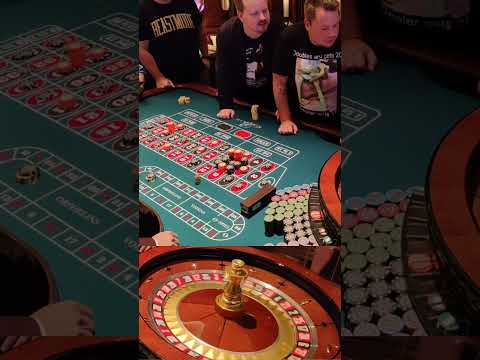
Live dealer experiences represent the ultimate fusion of convenience and authenticity, revolutionizing online gambling by bridging the gap between virtual and physical play. Using high-definition video streams, professional croupiers deal real cards and spin live roulette wheels from dedicated studios, while players interact through chat interfaces and digital controls. This hybrid format eliminates the sterile isolation of standard RNG games, injecting the visceral tension of a brick-and-mortar casino directly into a player’s living room.
The tangible click of chips and the human banter with a dealer transform a solitary screen into a vibrant social arena, proving that atmosphere can be streamed, not just felt.
As technology evolves, these immersive tables continue to refine this balance, offering tactile engagement without compromising the ease of click-and-play. The result is a dynamic, trust-based environment where every shuffle and spin feels palpably real.
Streaming Technology Behind Real-Time Table Games
Live dealer games nail the best of both worlds by streaming a real human dealer straight to your screen. You get the social vibe of a brick-and-mortar casino—chatting with the croupier or other players—without leaving your couch. The tech blends HD video with a digital interface, letting you place chips on a virtual table while a physical deck is shuffled in real time. It’s perfect for bridging virtual and physical gambling through a seamless, interactive session.
Interactive Features That Replicate a Floor Atmosphere
From a sterile living room, a screen flickers to life, revealing a polished dealer shuffling cards at a felt table in a distant studio. This is the magic of live dealer online gaming, where the uncanny chasm between digital and tangible play dissolves. You place bets via a clean interface, yet the dealer responds with a genuine smile and a real, spinning wheel. Each shuffle and chip drop is a tactile echo, proving that the thrill of a casino floor can be felt through a fiber optic cable. The tension is authentic, not simulated, as you watch a human hand determine your fate in real-time.
Comparing Speed of Play in Live Versus Automated Rounds
Live dealer platforms merge real-time video streaming with interactive digital interfaces, creating a hybrid gaming environment that replicates the social atmosphere of a physical casino. Players place bets via an on-screen display while a human dealer handles cards or spins the roulette wheel in a studio, bridging the gap between virtual convenience and authentic table play. Live dealer technology relies on high-definition cameras and optical character recognition to capture game outcomes instantly, ensuring accurate data transmission. This setup allows participants to engage in blackjack, baccarat, or poker without leaving home, fostering trust through tangible human interaction. The experience relies heavily on stable internet connections to maintain seamless synchronization. For many, this blend satisfies a desire for both remote access and genuine tactile anticipation.
Common Mistakes When Betting with a Human Dealer
Under the glow of studio lights, a real croupier shuffles cards just for you, while your avatar sits at a digital felt table miles away. The click of chips and the dealer’s warm smile stream in high-definition, dissolving the line between a land-based casino and your living room couch. Unlike RNG-based games, this live experience relies on a human touch—the dealer reacts to your chat, pauses for your side bet, and calls out your win. Interactive live casino gaming flourishes here, where players gain the social thrill of a physical floor without the commute. Each hand feels personal, as if the table exists solely in your world.
“The magic happens when a digital bet and a human laugh become inseparable.”
Betting Systems Analyzed: Myths and Mathematical Realities
Betting systems, from the Martingale to the Fibonacci sequence, are often marketed as paths to guaranteed profits, but they fundamentally fail to alter the house edge inherent in any game of chance. The mathematical reality is that no staking plan can overcome negative expected value; each bet remains an independent event with fixed probabilities. Statistical analysis of gambling outcomes confirms that while short-term variance may create the illusion of a winning streak, long-term results regress to the mean dictated by the game’s odds. The myth of a “sure thing” system persists because of cognitive biases like the gambler’s fallacy, where players mistake random fluctuations for patterns.
In the long run, the house edge is an unbeatable mathematical constant, not a variable to be manipulated.
Consequently, responsible gambling strategies focus on bankroll management and entertainment value rather than pursuing mythical systems that promise to beat the odds.
Martingale: Doubling Down on Losses in Even-Money Games
Many gamblers chase the illusion that systems like the Martingale can guarantee profit, yet mathematical realities of betting systems reveal an unyielding truth: no strategy alters the house edge. While progression models mask short-term wins, the law of large numbers ensures long-term losses align with expected value. Understanding probability, not superstition, is the only path to informed play.
Q: Can the Martingale system beat a casino?
A: No. Doubling bets after losses recovers small wins but risks ruin after a short losing streak. Even with unlimited funds, table limits and the house edge guarantee eventual loss.
Paroli and Reverse Betting: Capitalizing on Streaks
Many gamblers cling to myths like the Martingale or Fibonacci systems, believing they can beat the house. The mathematical reality is that no betting system can overcome the negative expected value built into casino games. These strategies often lead to rapid bankroll depletion due to table limits and long losing streaks. The truth is simple: every bet relies on probability and independent outcomes, not patterns. Understanding the house edge is crucial for anyone wanting to bet responsibly.
Fibonacci Sequence as a Staking Plan for Table Actions
Betting systems often promise guaranteed profits, but mathematical reality exposes them as flawed. Systems like the Martingale—doubling losses to recover them—fail due to finite bankrolls and table limits. In independent events like roulette or coin flips, no sequence of past outcomes influences future probabilities. This is the gambler’s fallacy. The house edge remains constant regardless of wager size or pattern. Rather than beating the odds, structured betting simply redistributes variance, creating short-term wins while accelerating long-term ruin. True edge comes only from positive expectation opportunities, such as in card counting or sports arbitrage. Understand: no system transforms negative expectation into profit. Successful betting hinges on bankroll management, not on chasing mathematical illusions.
Why No System Overcomes the Built-In Statistical Advantage
Betting systems like the Martingale or Fibonacci are often marketed as path to guaranteed profits, but mathematical analysis reveals they cannot overcome the house edge in games of pure chance. The core flaw is that each bet is an independent event with fixed odds; no sequence of past outcomes alters future probabilities. While systems can create short-term winning streaks, they inevitably expose you to catastrophic losses when bankroll limits meet geometric progression of stakes. Smart gamblers recognize that no system changes the fundamental math of probability. The only reliable advantage comes from identifying value bets in sports or exploiting bonuses, not from progressive staking. Chase the illusion of certainty and you risk more than you gain.
Psychological Pitfalls Every Player Should Recognize
One of the most common psychological pitfalls players face is the tilt response, an emotional reaction to frustration or loss that leads to poor decision-making and reduced performance. Players often chase losses, ignoring statistical realities in favor of recouping perceived deficits, a trap known as the sunk cost fallacy. Overconfidence after a winning streak can also distort risk assessment, while confirmation bias causes players to seek evidence https://jalwaverse.co.in supporting their strategies while dismissing critical data. Recognizing these patterns allows for emotional regulation, helping players maintain objectivity by focusing on process over short-term outcomes. A structured break or pre-defined session limits are practical defenses against these mental errors.
The Gambler’s Fallacy and Hot Streak Misconceptions
Picture a poker player, convinced their “lucky streak” will hold—only to lose everything. That’s the gambler’s fallacy in action, where past outcomes falsely predict future ones. Every player must spot how ego can blind them: the sunk cost fallacy, where you cling to a losing strategy because you’ve already invested too much. Then there’s tilt, that emotional spiral where a single bad beat snowballs into reckless bets. Recognize these traps early—your discipline, not luck, decides the game.

Chasing Losses: How Emotions Cloud Bankroll Decisions
Psychological pitfalls can derail decision-making and performance in any competitive environment. The most common trap is the sunk cost fallacy, where players continue a failing strategy simply because they have already invested time or resources. Another is tilt, a state of emotional frustration that leads to reckless actions. Confirmation bias also blinds players to evidence that contradicts their preferred tactics. Recognizing cognitive biases in gameplay is essential for maintaining clarity. Common pitfalls include:
• Overconfidence after a win streak
• Anchoring on one piece of information
• Fear of missing out (FOMO) that drives impulsive moves

Near-Miss Effect in Slots and Skill-Based Wagering
Players often fall into the same psychological traps that undermine performance and enjoyment. The most common is the sunk cost fallacy, where a player continues a losing match or grind solely because of time already invested, ignoring the rational choice to quit. Another is confirmation bias, where players seek only evidence that validates their playstyle (e.g., “my build is viable”) while dismissing counter-evidence. A critical pitfall is tilt—an emotional spiral that erodes decision-making after a loss. Loss aversion also distorts judgment, making the pain of a defeat feel twice as strong as the pleasure of a win, leading to overly cautious or reckless plays. Recognizing these patterns is the first step to improving self-control and gameplay.
Setting Stop-Loss and Win-Limit Boundaries Effectively
Recognizing psychological pitfalls is critical for maintaining peak performance and sound decision-making. The most common trap is the “gambler’s fallacy,” where you incorrectly believe past independent events affect future odds. Another classic error is “confirmation bias,” where you only seek evidence that supports your existing strategy while ignoring warning signs. Never let a winning streak convince you that your luck has shifted from probability to skill. To stay objective, track your emotional state and review your decisions post-session. Emotional tilt management is the single most valuable skill; it prevents a single bad beat from unraveling your entire session through revenge betting or chasing losses. Anchor to your plan, not your feelings.
Exploring Specialty Options Beyond Traditional Tables
Moving beyond traditional tables, specialty options like traversable data visualizations and interactive dashboards offer dynamic ways to explore information. These alternatives, such as network graphs or geospatial maps, allow users to uncover relationships and patterns that static rows and columns obscure. For tasks requiring fast data comprehension, heatmaps or treemaps can immediately highlight outliers or clusters. However, these formats often demand a higher cognitive load for precise data extraction, making them less ideal for simple lookup tasks. Their strength lies in revealing overarching narratives, which is why they are increasingly used for exploratory analysis in fields like epidemiology or logistics. Ultimately, choosing a specialty model depends on whether the goal is to scan for exact values or to identify strategic trends that drive informed decision-making.
Keno: High Odds and Lottery-Style Draws
In a quiet corner of a forgotten library, Maria stumbled upon a game board unlike any other—a crescent-shaped field mapped with constellations instead of squares. This discovery cracked open a universe where play transcends the rigid grid of traditional tables. Nontraditional game formats invite players into landscapes of curved surfaces, layered tiles, and digital-physical hybrids that reshape strategy itself. These alternatives offer fresh challenges:
- Dome boards that warp distance and angles, demanding spatial rethinking.
- Modular terrain built from interlocking blocks, altering the battlefield each turn.
- Augmented reality overlays that project hidden rules onto a simple tabletop.
Each option transforms a familiar pastime into an exploration of geometry, narrative, and surprise—proof that the most memorable games don’t always sit flat.
Sic Bo: Dice Combinations and Multipliers
When you move past the classic card table, a whole world of specialty games opens up. Think of a bespoke gaming experience that breaks the mold—from a tri-level strategy board built for deep fantasy conquests to a digital table that projects interactive maps for sci-fi heists. These unique setups often include:
- Customizable terrain and modular tiles for ever-changing layouts.
- Integrated LED zones or magnetic surfaces for dynamic gameplay.
- Specialized card holders or dice towers built right into the frame.
You don’t have to stick to poker; a dedicated wargaming table can transform your entire game night into a epic saga.
Whether it’s a round table for group storytelling or a long thin one for ship-to-ship battles, exploring these options adds a tactile, immersive layer that a standard four-legged table simply can’t match.
Bingo Variants in Digital and Hall Settings
Moving beyond standard table layouts opens new possibilities for data presentation and user engagement. Alternative data visualization formats like card views, timelines, and kanban boards offer distinct advantages for specific content types. Card-based designs excel at presenting product catalogs or profile summaries, where visual hierarchy aids scanning. Timelines effectively communicate chronological sequences, while kanban boards streamline workflow tracking. Interactive elements such as expandable rows, inline editing, or drag-and-drop sorting can enhance traditional tables without abandoning their structure. For complex datasets, consider integrating charts or heat maps to reveal patterns. Prioritize clarity and user intent—avoid visual clutter by aligning layout choices with the core task. Each specialty option should serve a clear purpose, whether improving mobile responsiveness or simplifying comparison tasks. Always test prototypes to ensure usability remains intuitive across devices.
Wheel of Fortune Games: Simple Spin, Mixed Payouts
Exploring specialty options beyond traditional tables opens up a world of creative seating that transforms any space. From rustic tree stump side tables to industrial pipe-frame desks, these unique pieces add personality and function where standard furniture might feel boring. Alternative seating solutions like floor poufs, hanging chairs, or low-profile ottomans can turn a living room into a cozy lounge or a small apartment into a flexible multipurpose area. Consider mixing materials such as:
- Reclaimed wood for a farmhouse vibe
- Acrylic or glass for a modern, airy feel
- Steel or concrete for an industrial edge
Q: Are specialty tables durable enough for daily use?
A: Yes, many are built with solid materials like hardwood or powder-coated metal, just ensure you check weight limits and finish quality before buying.