
Lastmile logistics
The Allure of Unpredictability
One of the primary psychological elements that attract players to casino games is the thrill of unpredictability. The very nature of gambling revolves around chance and luck, which can create an exhilarating experience. In many cases, players also explore options such as non gamstop betting to diversify their experiences. This unpredictability engages the brain’s reward system, releasing dopamine, a neurotransmitter associated with pleasure. Players often find themselves captivated by the prospect of winning, which can lead to a cycle of continuous play as they chase that next big win.
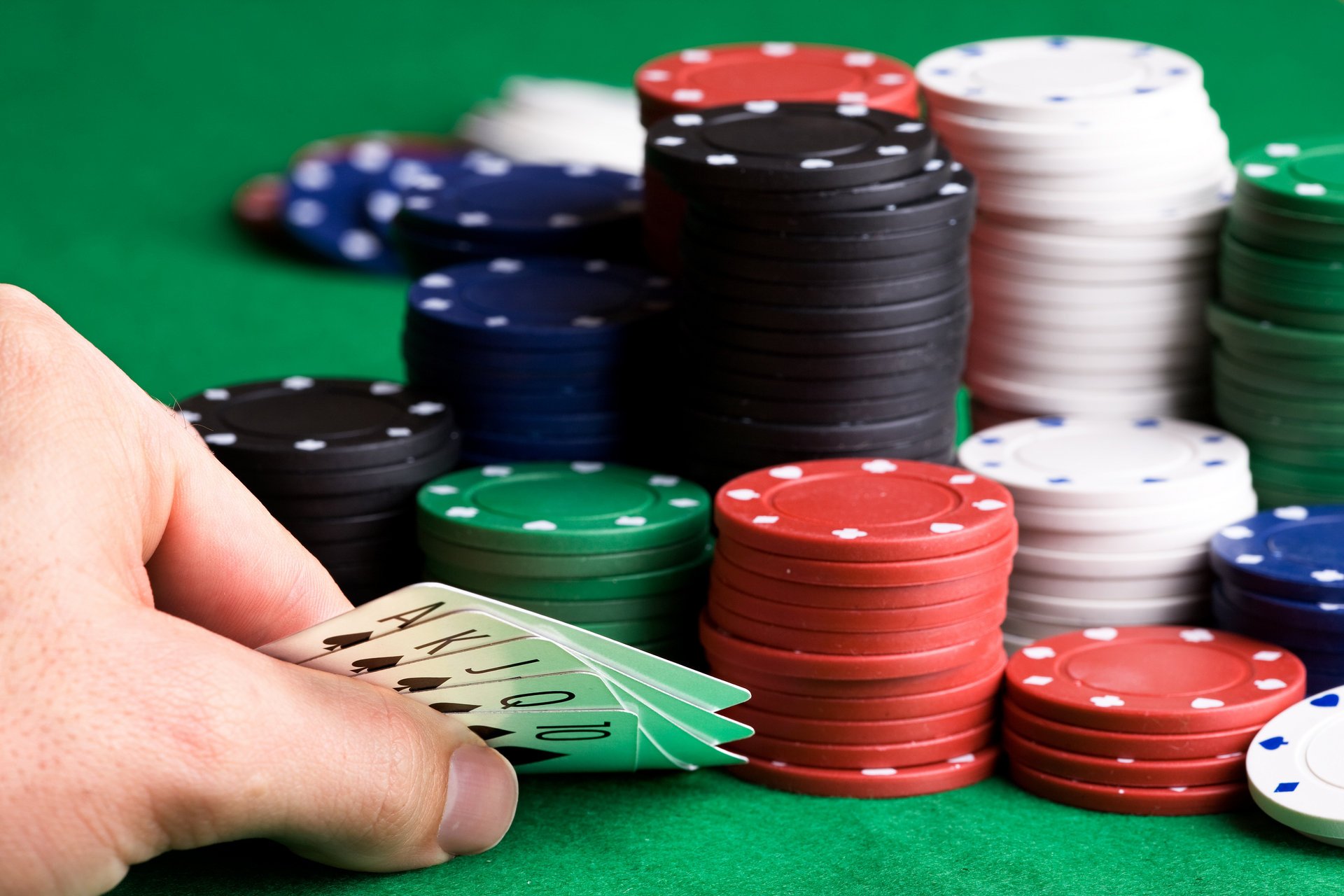
This thrill can create a sense of euphoria, making players feel alive and engaged. The potential for immediate gratification, combined with the uncertainty of outcomes, keeps players returning to the casino. Every spin of the slot machine or shuffle of the cards holds the promise of not just financial gain but also emotional highs that reinforce the desire to play more.
The Role of Social Interaction
Casino environments are designed to promote social interaction among players, enhancing the overall experience. Many individuals enjoy the communal aspect of gambling, where they can share their experiences, celebrate wins, or commiserate over losses with fellow players. This social component is vital in establishing a sense of belonging and community, which can significantly influence a player’s decision to return.
Furthermore, social interactions can enhance the enjoyment of the game itself. Engaging in conversation, sharing strategies, or even just bonding over a shared experience can make playing in a casino far more appealing than gambling alone. The presence of other players can create a festive atmosphere, which can heighten excitement and motivation to keep coming back.
The Power of Near Misses
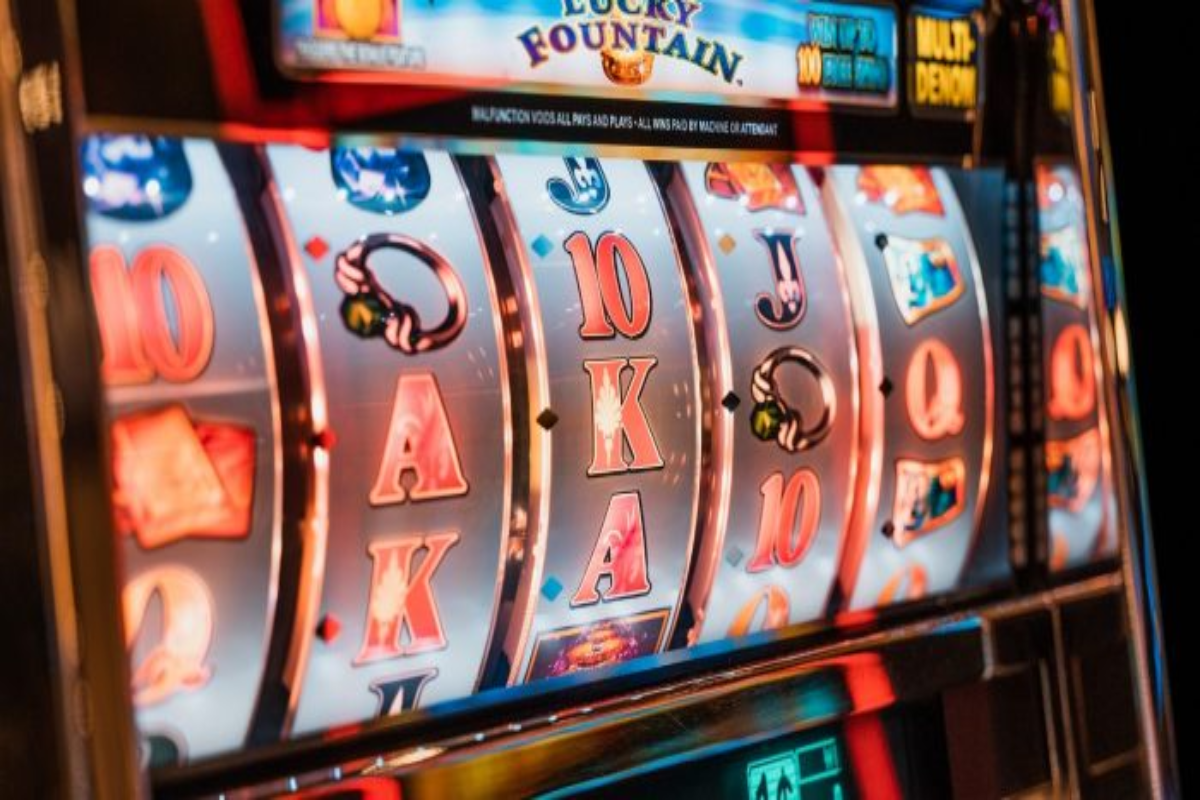
Another fascinating aspect of casino psychology is the phenomenon of “near misses.” This occurs when a player almost wins, such as landing two symbols on a slot machine and missing the third. Near misses can be psychologically compelling, as they reinforce the belief that winning is just around the corner. Such experiences can lead to continued play, as players feel a renewed sense of hope and determination to try again.
This phenomenon intertwines with behavioral psychology principles, where repeated exposure to near wins can increase the likelihood of persistent gambling. Players may rationalize their losses by focusing on these near misses, ultimately driving them to return in hopes of achieving that elusive win.
The Influence of Environment and Design
The ambiance and design of casinos play a critical role in shaping player behavior. From the sounds of coins dropping to the vibrant colors and flashing lights, these sensory elements are carefully curated to create an immersive experience. Casinos are intentionally designed to keep players engaged and captivated, often blurring the lines between time and reality.
Moreover, many casinos lack windows and clocks, a strategic choice aimed at disorienting players concerning time. This design encourages longer gaming sessions, as players lose track of how long they’ve been playing. The overall environment is crafted to evoke feelings of excitement and allure, contributing to the cyclical nature of gambling addiction.
The Spectrum of Responsible Gaming
While exploring the underlying psychology of casino games is essential, it is equally important to address the aspect of responsible gaming. Awareness of the psychological triggers can help players make informed decisions about their gambling habits. Websites that promote responsible gaming often offer resources and tools to help players recognize warning signs of problem gambling.
Creating an open dialogue about the challenges and rewards of casino gaming can help foster a healthier approach for players. By informing users of both the psychological allure and potential risks associated with gambling, these platforms contribute positively to the gaming experience, ensuring players enjoy their time while maintaining safety and responsibility.